

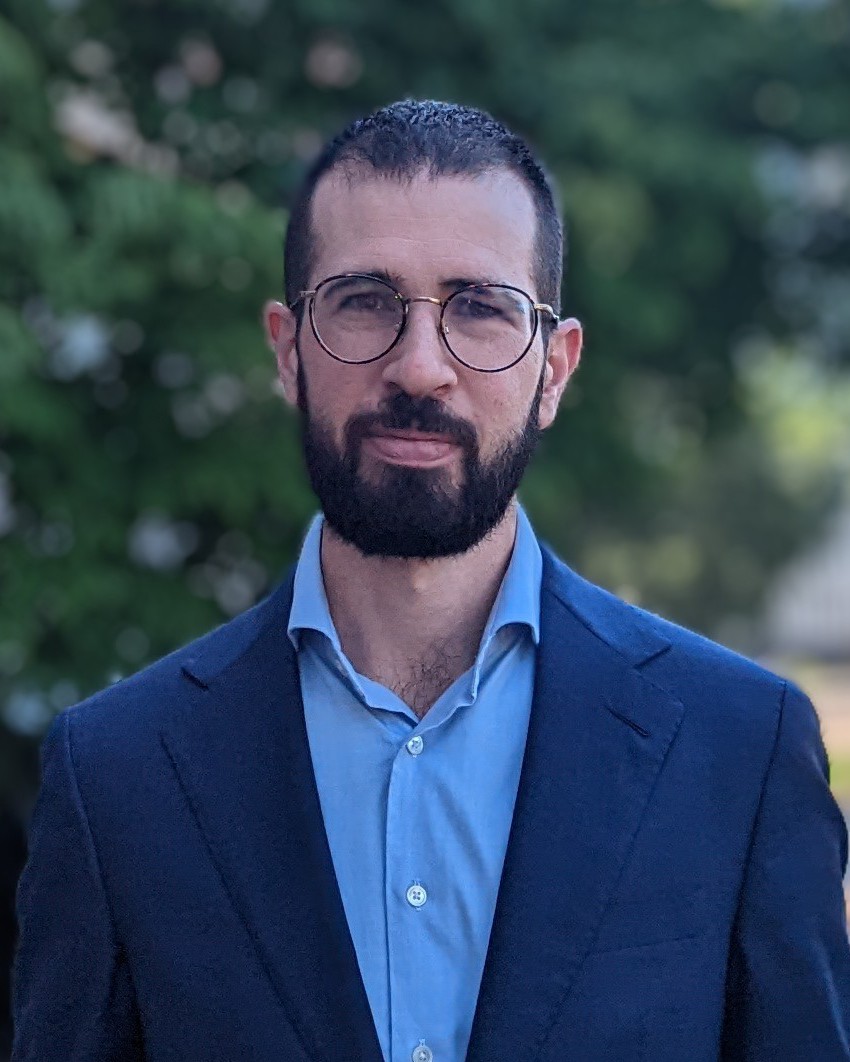
James Sears, PhD, Assistant Professor in the Department of Agricultural, Food, and Resource Economics at Michigan State, will present the EEEP Seminar Series, “How Much More Price-Fluid are Utility Customers in the Long-Run? An Application to Urban Water Demand” on March 4, 2026.
Abstract:
Understanding consumer price-responsiveness in both the short- and long-run is of critical importance for utilities tasked with combating temporary scarcity and balancing long-term infrastructure investment and demand needs. Despite their importance, utility price elasticities are often difficult to credibly identify due to a wide range of empirical challenges. This paper leverages annual price changes and persistent, spatially-induced price differences within a single water utility district to separately identify responses to short and long-run price changes for the same set of households. First, using a simulated instrument approach that accounts for common sources of bias, I estimate short-run demand elasticities between -0.4 and -0.5.
Next, leveraging long-term differences in prices across unobserved spatial boundaries, I find that customers are between 90-150% more price-sensitive in the long-run, with this increased responsiveness driven largely by voluntary investment in resource-efficient technologies. Combined, these results provide a first credible answer to the question: how much more price-fluid are utility consumers in the long-run?
Bio:
Dr. Sears is an Assistant Professor in the Department of Agricultural, Food, and Resource Economics at Michigan State University. Dr. Sears is an applied microeconomist who focuses on topics in environmental and consumer behavioral economics, with an emphasis on urban water, nutritional assistance and health, and decision-making by economic agents. Much of his work seeks to measure how consumers respond to shocks – whether environmental, informational, social, or public policy-driven – and use these insights to inform the design of more efficient, more equitable, and better-targeted policies. He frequently combines administrative and spatial data with forefront econometric techniques for identifying causal treatment effects and exploring heterogeneous responses. Recent topics include residential water consumers’ responses to price and non-price behavioral drought policies, estimation of long- and short-run urban water price elasticities, residential water tariff design and equity implications under incomplete billing and intermittent service in the global south, and the interplay between local and federal nutrition assistance. A native of the San Francisco Bay Area, Dr. Sears received his Ph.D. from UC Berkeley in 2022.